
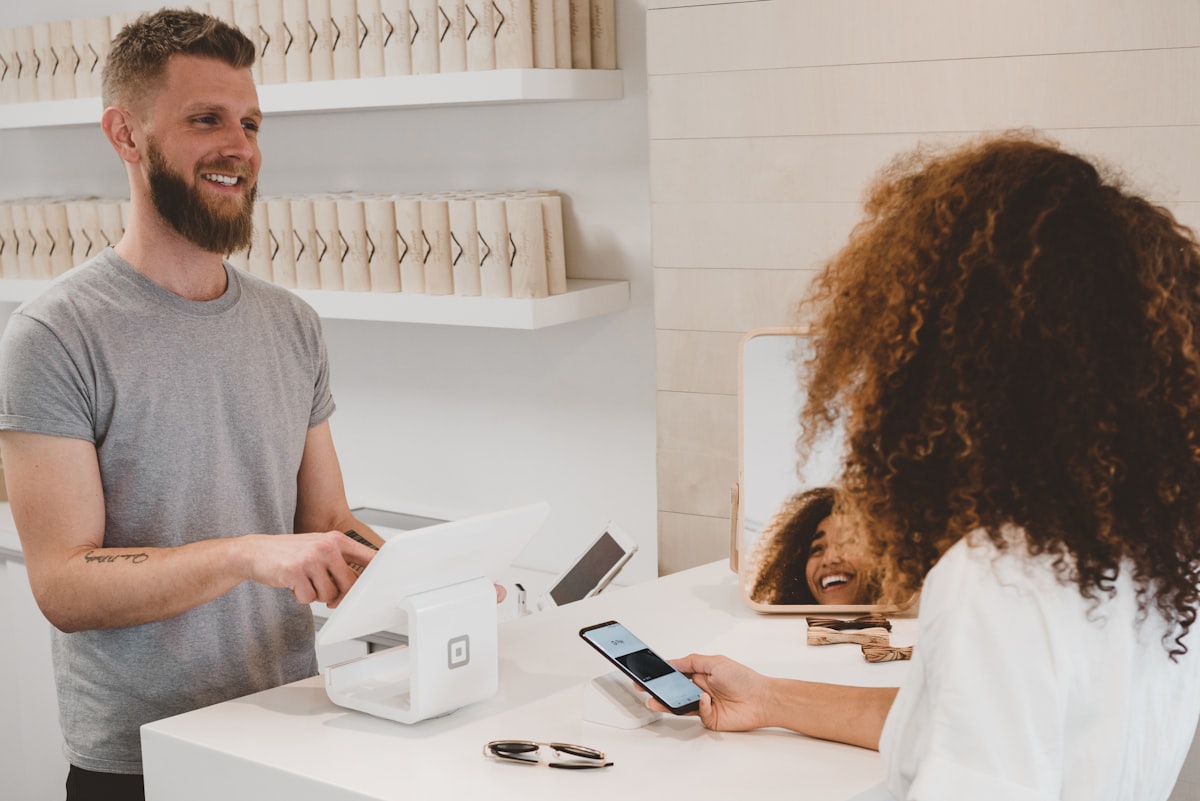
The practice of reading reviews before making a purchase decision has become so normalised that most Australians now do it automatically. Before trying a new restaurant, booking a tradesperson or choosing a healthcare provider, the majority of consumers check Google reviews, Yelp or industry-specific review platforms as a standard part of their decision process. For local businesses, this behavioural shift has made reviews one of the most important factors in both local SEO rankings and conversion rate — and the two effects reinforce each other.
Reviews are a local SEO ranking factor
Google explicitly considers the quality, quantity and recency of Google reviews when determining which businesses to show in local search results and the map pack. A business with 120 positive reviews will consistently outrank a similar business with 15 reviews, all else being equal. This is not just about conversion — it is about whether you appear in search results at all.
Review velocity also matters. A business that receives consistent new reviews over time signals to Google that it is actively serving customers. A business whose reviews are all from three years ago sends a different signal, regardless of how positive they are.
Reviews convert undecided customers
A potential customer standing between you and a competitor will frequently use reviews as the deciding factor. Not because the content of the reviews is always dramatically different, but because the sheer volume and recency of positive reviews creates a sense of social proof — the implicit conclusion that if this many people have had good experiences, the risk of trying this business is low.
Specific, detailed reviews that mention exactly what the customer appreciated about the service are particularly persuasive. A review that says "five stars, great service" carries far less weight than one that describes a specific problem the business solved and why the reviewer would recommend them.
Negative reviews handled well build trust
A business with exclusively perfect reviews can actually appear less credible than one with a mix of positive reviews and a few less positive ones that have been responded to professionally. A thoughtful, non-defensive response to a critical review demonstrates that the business takes customer experience seriously and is accountable when things do not go as expected.
How to get more reviews from real customers
The single most effective technique is to ask directly at the moment of highest customer satisfaction — immediately after a job is completed, a service is delivered or a positive outcome is achieved. A brief, specific request ("Would you be willing to leave us a Google review? It makes a real difference for our business") accompanied by a direct link to your review page converts at a far higher rate than a follow-up email sent days later.

Navid founded Web Like Web in 2014 and has spent over a decade helping Australian businesses grow through SEO, Google Ads and web design.
